

Working with Language Interpreters to Better Serve Students and Their Families
Self-paced
Full course description

Start Date
Any
Price
$99.00
Credential
Digital Badge
Length
Self-paced
Commitment
8-10 Hours
Format
Asynchronous
Better Serve Students and Their Families
Description
This course prepares school staff to work effectively with language interpreters when communicating with multilingual students and families. Learners examine the roles, qualifications, and ethical guidelines that shape interpreting in educational settings, along with the responsibilities educators hold before, during, and after an interpreted encounter. The course covers how to structure meetings and conversations so interpreting stays accurate and how to respond when communication breaks down. Real-world examples, interactive scenarios, and practical tools support each topic. By the end, learners will be able to plan and conduct interpreted encounters that support equitable participation for families regardless of language background.
Learning Objectives
- Identify the roles, responsibilities, and ethical guidelines of professional language interpreters in educational settings, including how interpreter qualifications, training, and scope of practice are determined for K-12 and postsecondary environments.
- Explain the code of ethics for interpreters working in education and describe how ethical practice supports accurate, impartial, and culturally responsive communication while protecting the rights and educational access of students, families, and educational professionals.
- Apply effective collaboration strategies between educators and interpreters before, during, and after interpreted encounters, including classroom instruction, parent-teacher conferences, IEP and 504 meetings, disciplinary proceedings, and school-based support services.
- Analyze common communication challenges in interpreted encounters and evaluate appropriate professional responses, including how trained educational interpreters apply the Strategic Mediation Model to address linguistic and cultural barriers and the Just Say No Model to maintain role boundaries and decline inappropriate requests.
Target Learner
The target learner for this course is educators, administrators, counselors, front-office staff, special education teams, school nurses, and school leaders who work with multilingual students and families..
Course Topics
- Working with Language Interpreters to Better Serve Students and Their Families
Meet the Instructor
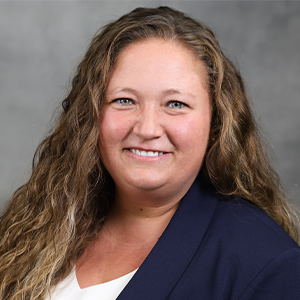
Angela Monterroso
Senior Lecturer of Spanish and Spanish Translation